
 Image 1 of 9
 Image 2 of 9
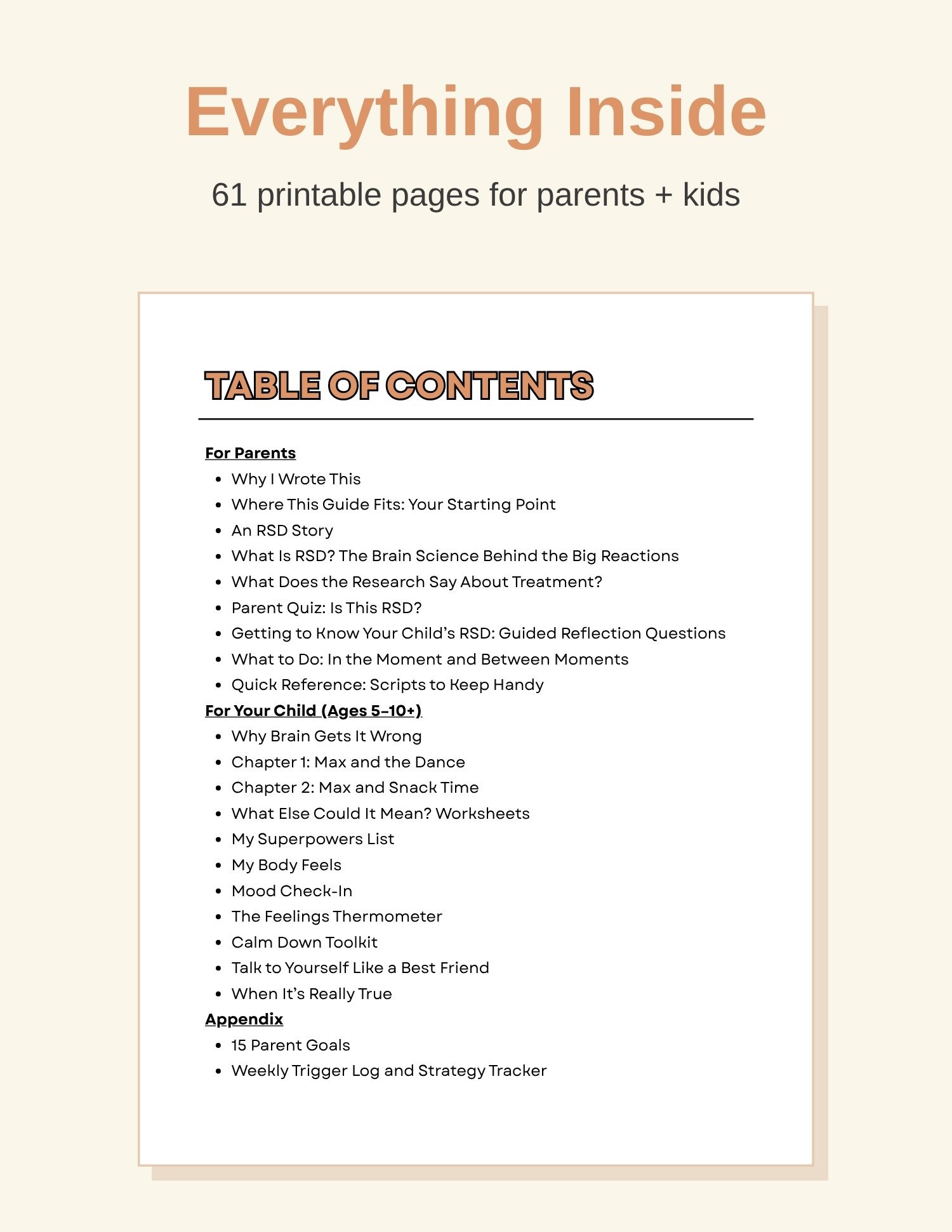 Image 3 of 9
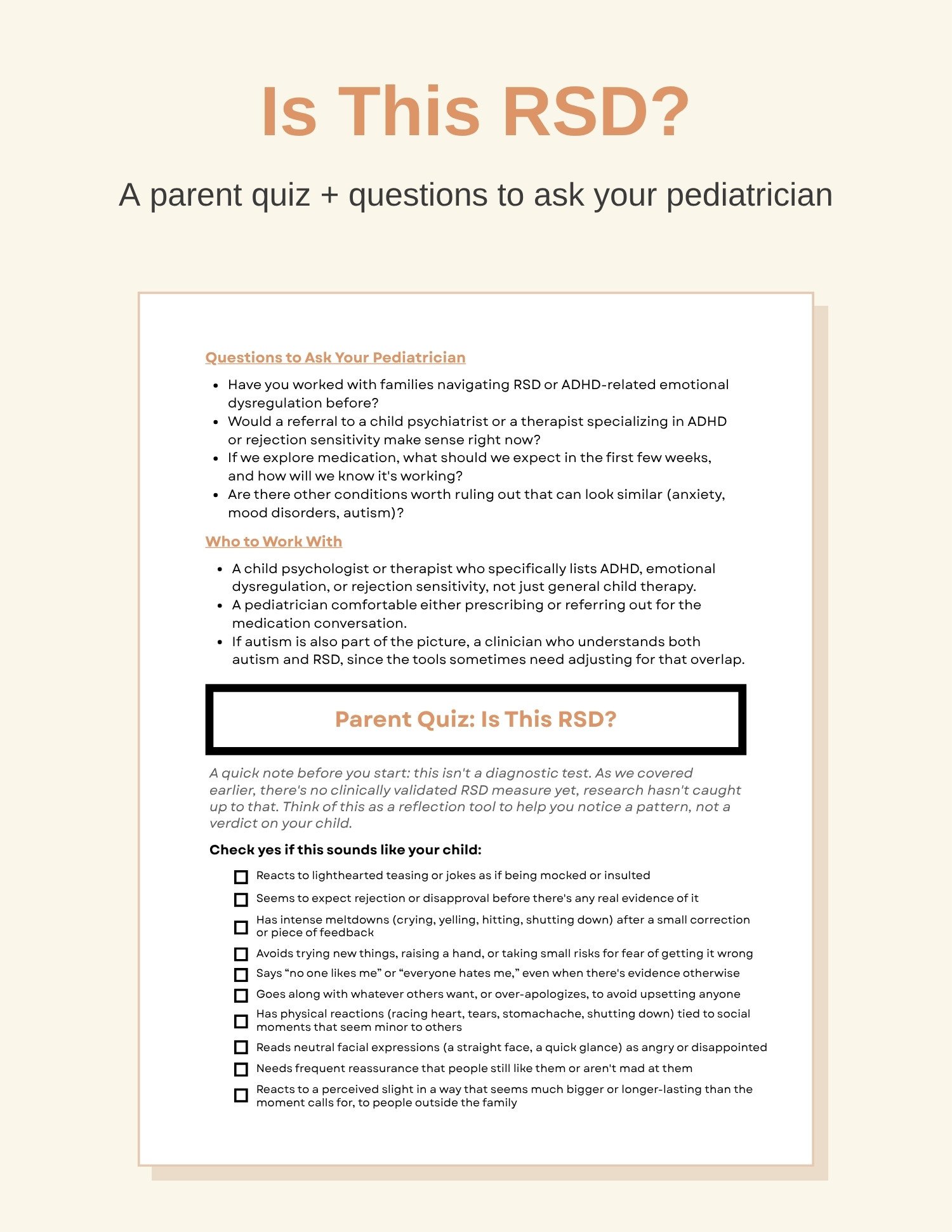 Image 4 of 9
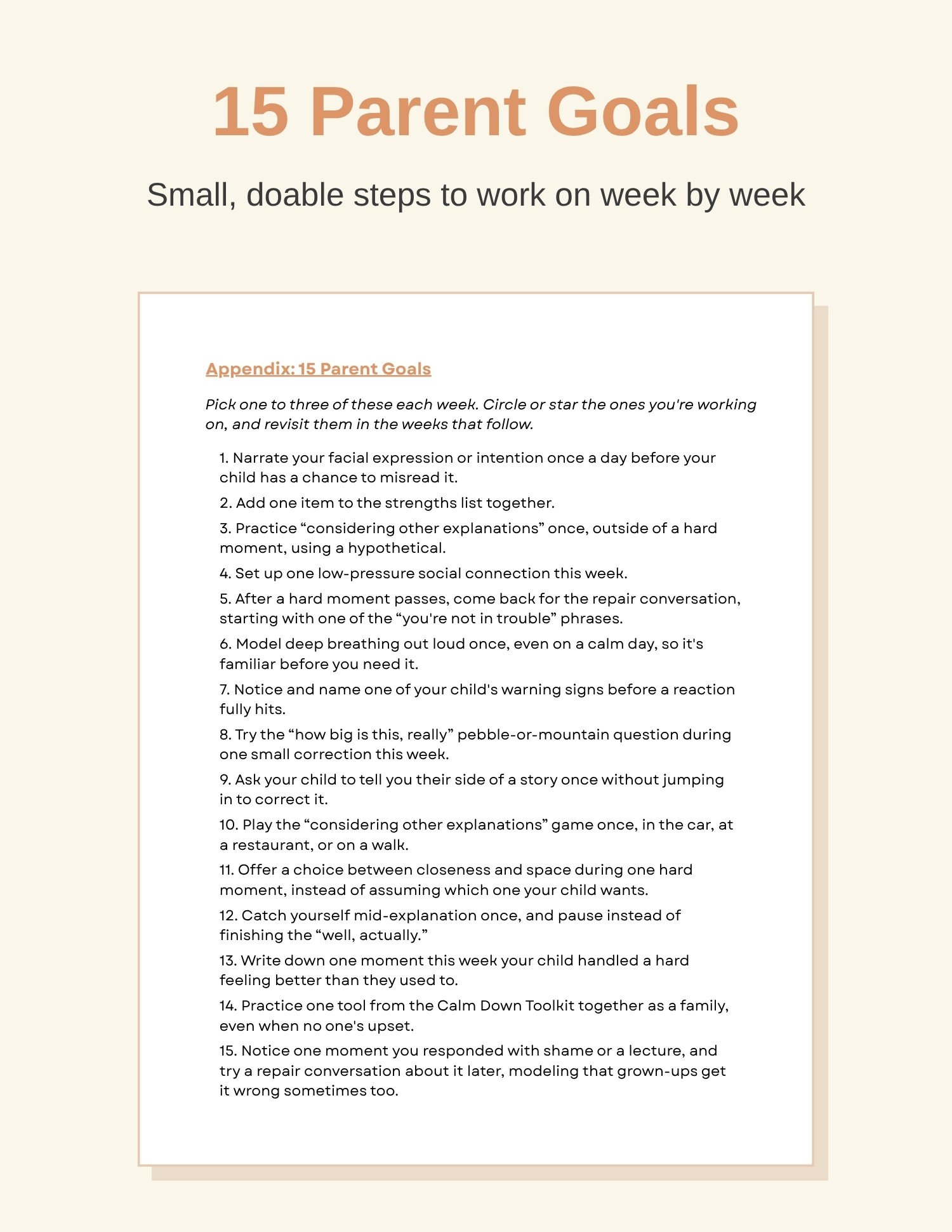 Image 5 of 9
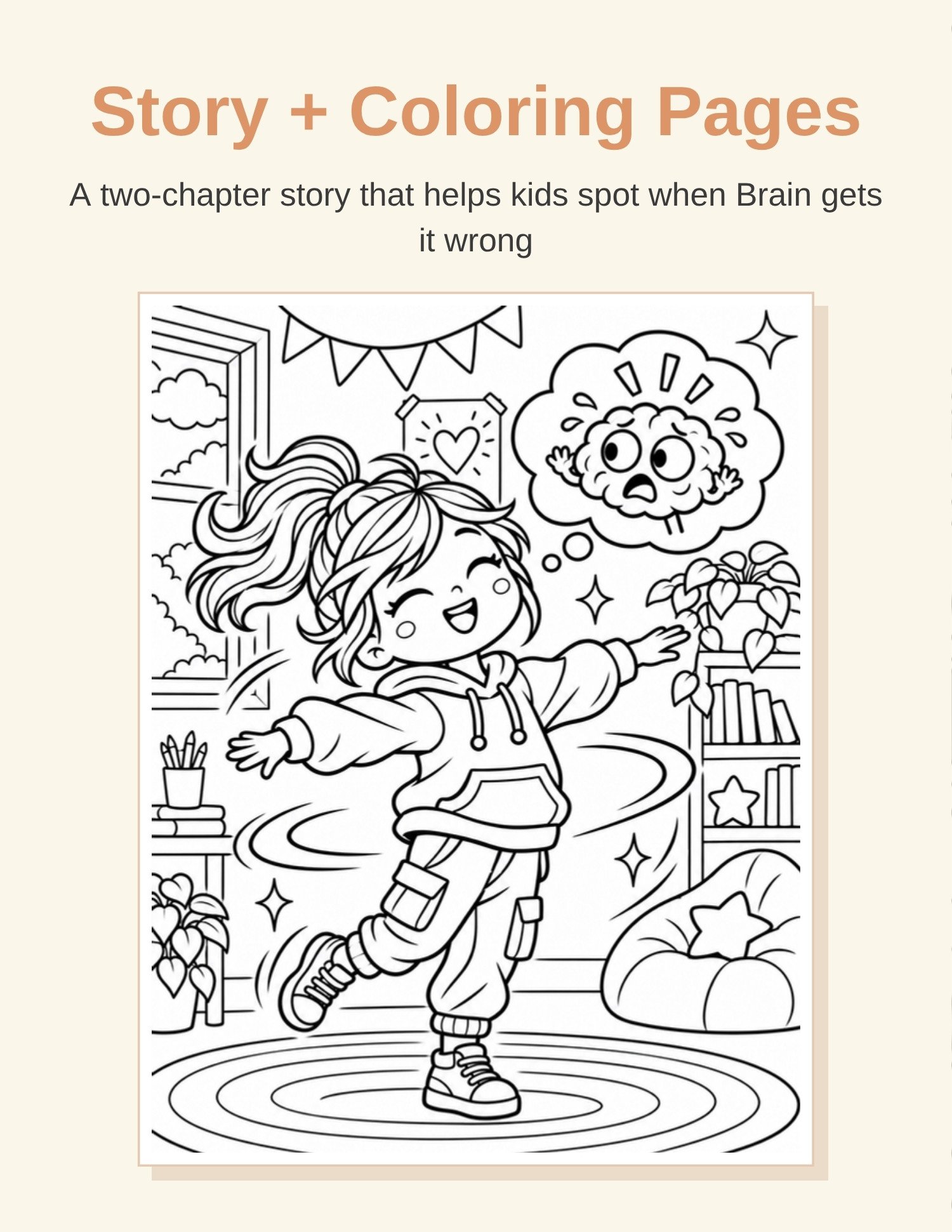 Image 6 of 9
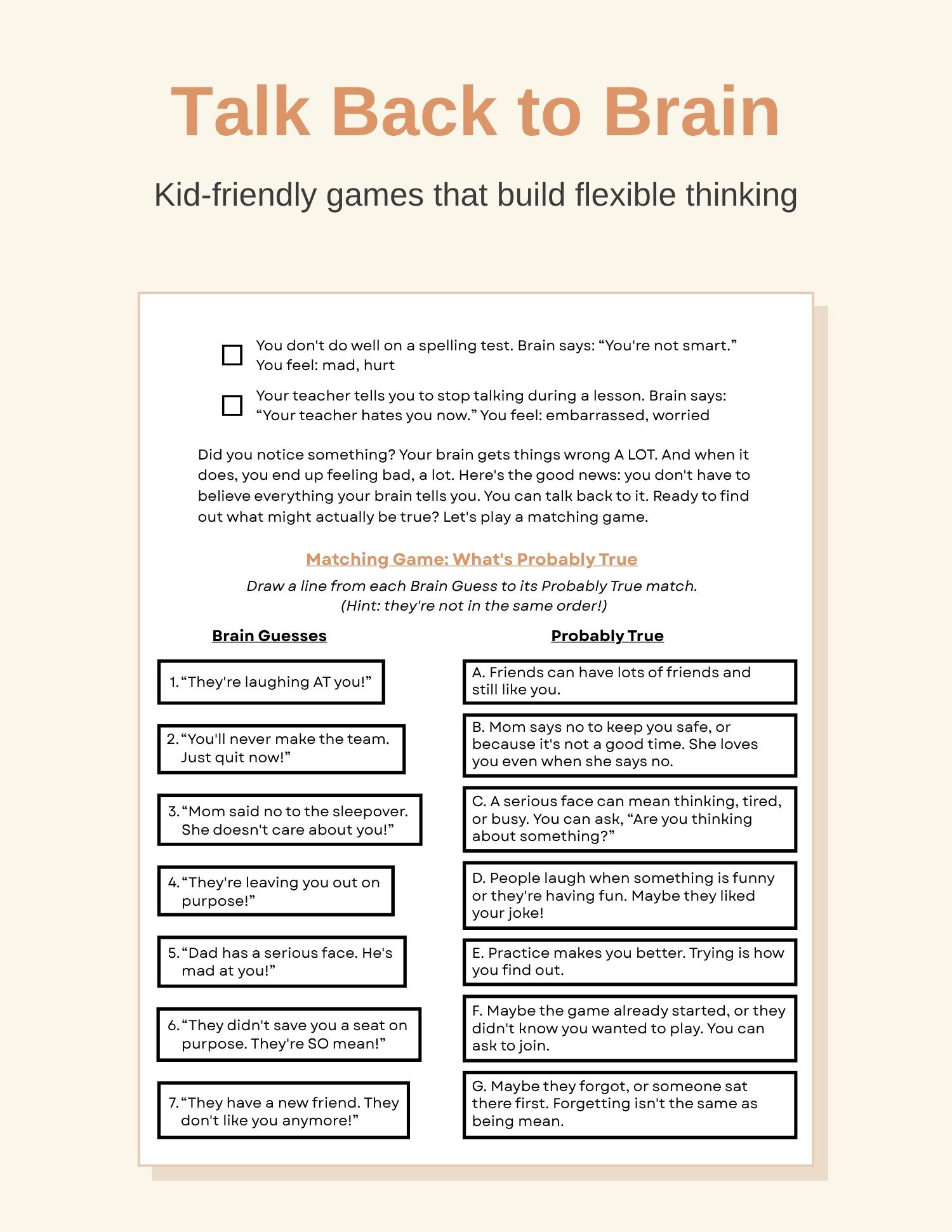 Image 7 of 9
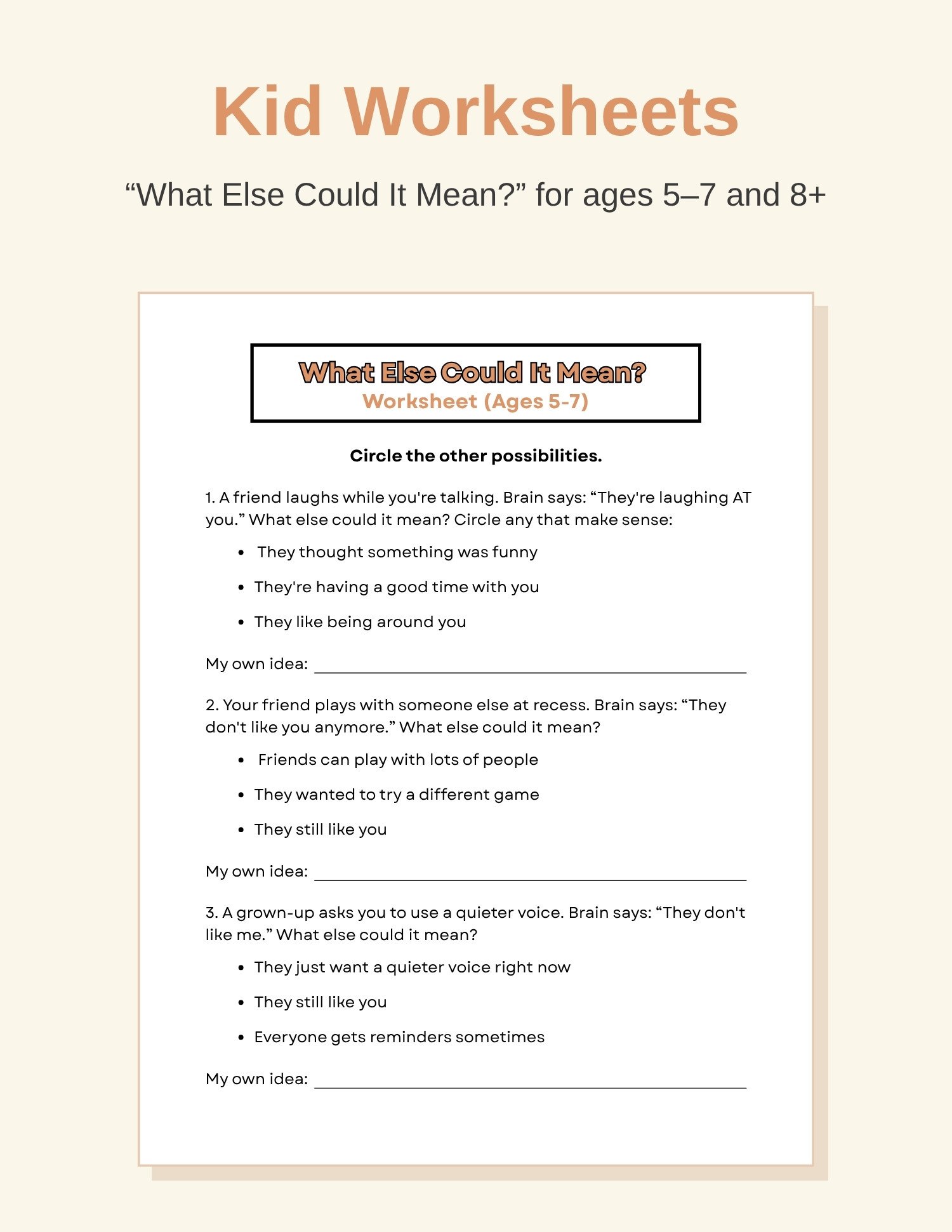 Image 8 of 9
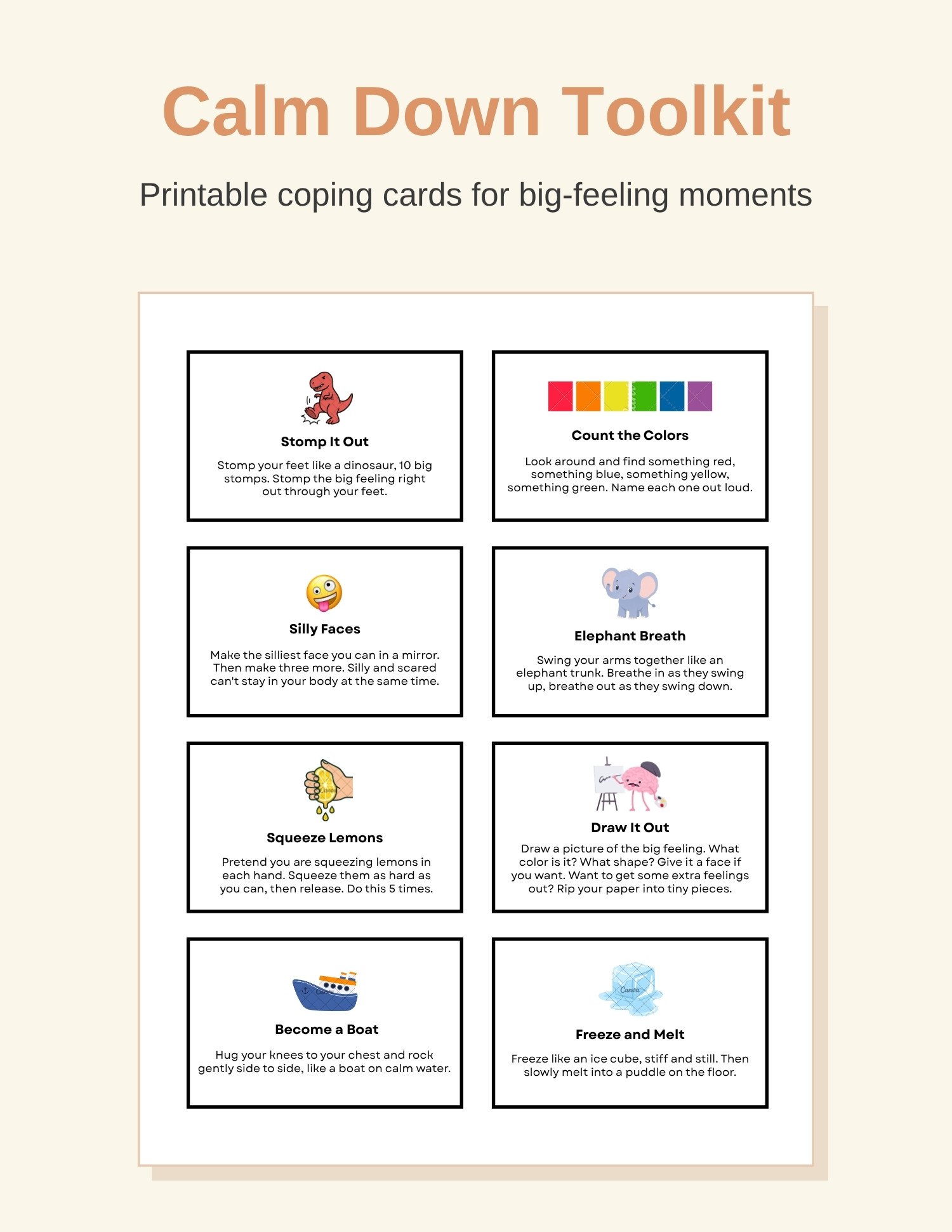 Image 9 of 9
What’s inside
For parents:
The brain science behind RSD, explained in plain language (no neuroscience degree needed)
What the research says about treatment, including therapy and medication, plus questions to ask your pediatrician
A parent quiz: Is this RSD?
Guided reflection questions to understand your child’s triggers
A step-by-step plan for what to do in the moment, during a meltdown or shutdown
Between-the-moments strategies that build skills over time
Quick-reference scripts for the hardest moments
15 Parent Goals to work on week by week
A printable Weekly Trigger Log and Strategy Tracker
For your child:
An illustrated two-chapter story, Max and Brain, with comprehension questions
“What Else Could It Mean?” worksheets (ages 5–7 and 8+)
My Superpowers List, plus a detective mission to collect proof of what makes your child great
My Body Feels, a Mood Check-In, and a Feelings Thermometer
A printable Calm Down Toolkit with coping cards and a practice log
Talk to Yourself Like a Best Friend
When It’s Really True: building resilience when rejection is real
Who it’s for
Parents of kids ages 5–10+ who have big reactions to “no,” correction, or feeling left out
Families navigating ADHD and emotional dysregulation
Parents whose child has been labeled defiant or “too sensitive” when something deeper is going on
Teachers, counselors, and caregivers who want to understand RSD
Details
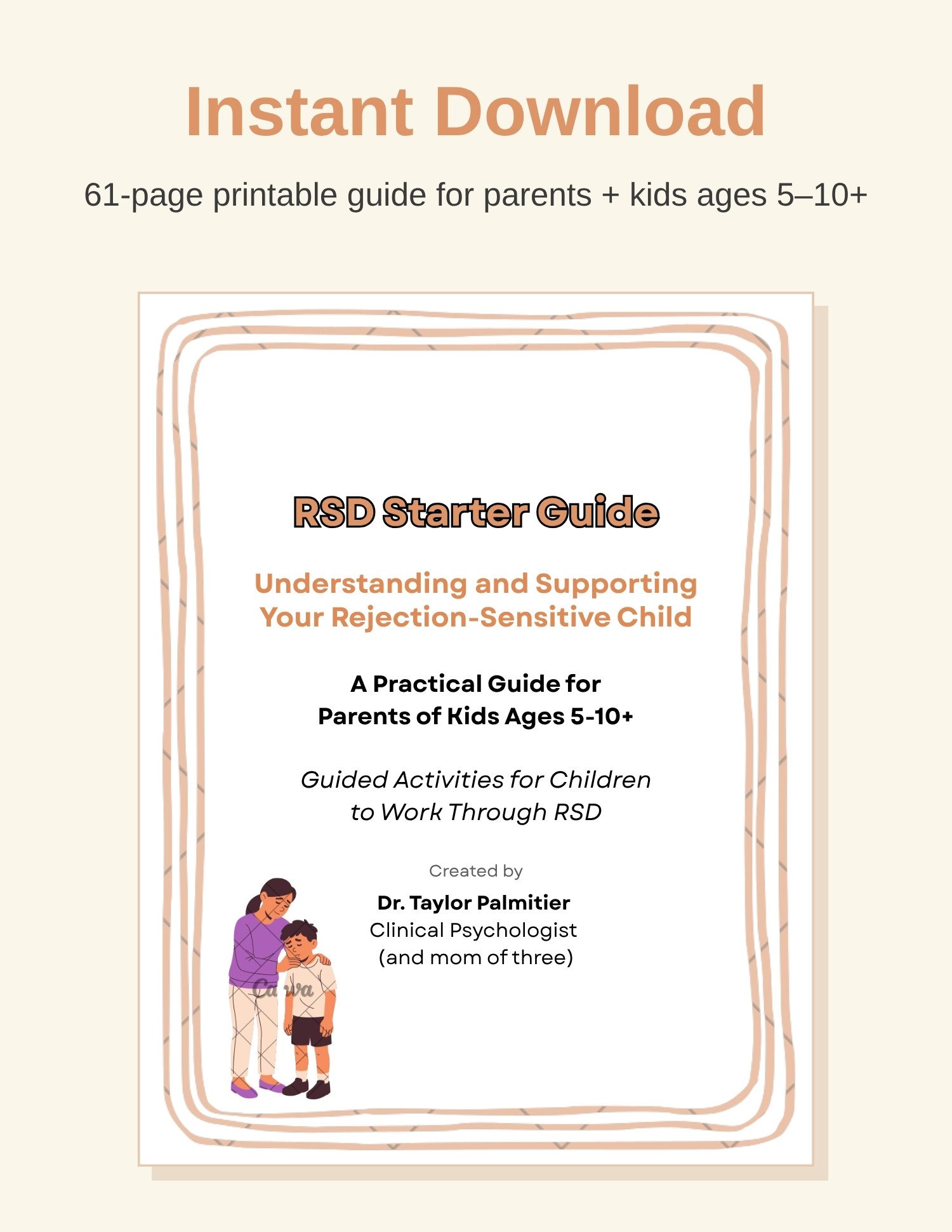
Instant digital download (PDF)
61 pages
Printable worksheets and activities. Print as many copies as your family needs.
The full course is coming
This starter guide is the first step. The full RSD course will go deeper, with video lessons, more child activities, expanded parent exercises, and templates for talking to teachers and family. Starter Guide buyers get 30% off the full course with the code inside.
Want one-on-one support?
RSD parent coaching is coming soon. In the meantime, reach out to us at drpalmitieroffice@sopalmwellness.com.
Disclaimer
This guide is for educational purposes only. It is not therapy and does not replace a diagnosis or treatment from a licensed professional. If your child is in crisis or at risk of harming themselves, call or text 988 or go to your nearest emergency room.